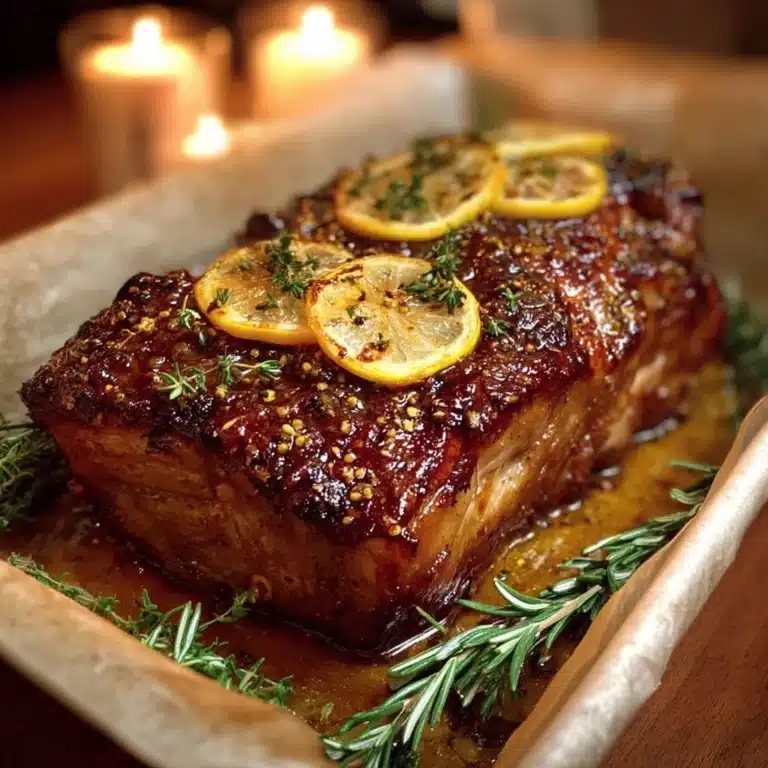
Dill and Lemon Crusted Salmon Recipe
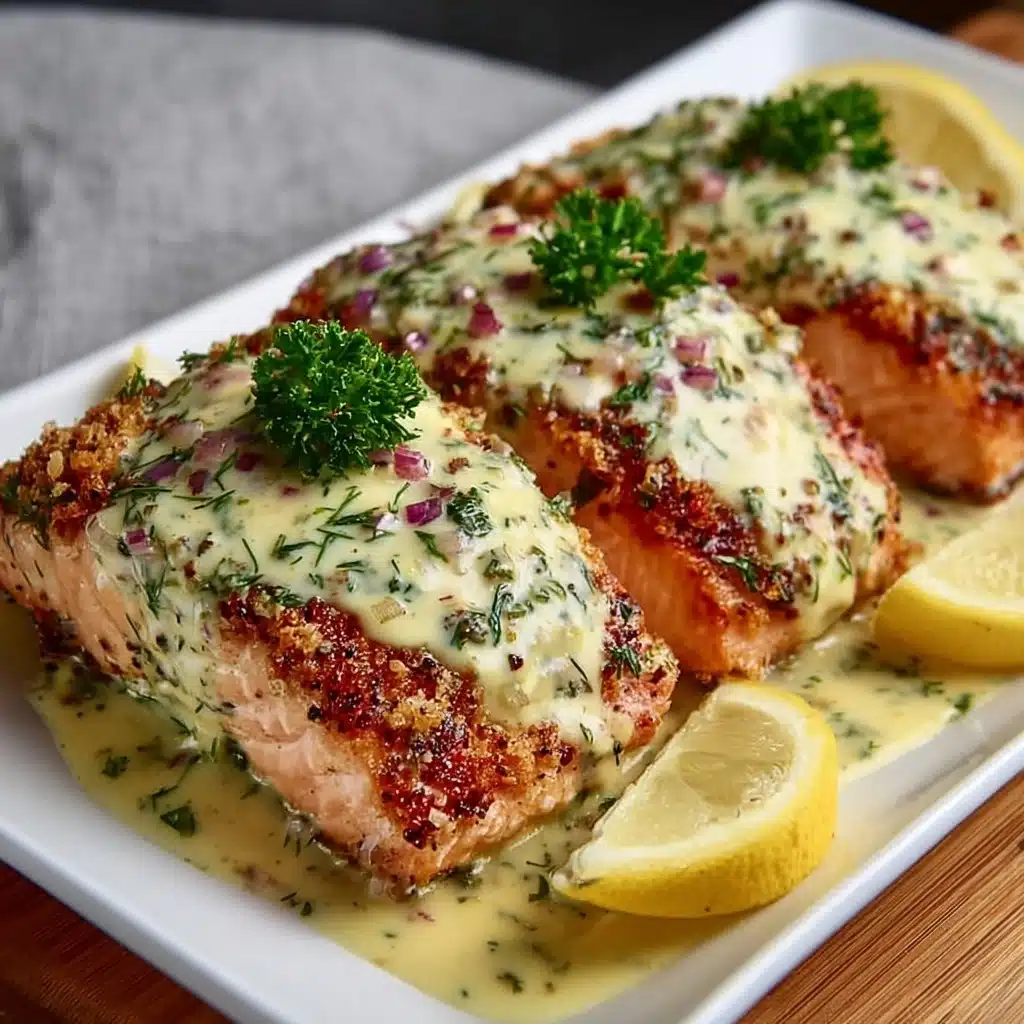
If you’re craving a dish that feels both elegant and effortlessly fresh, let me introduce you to the magic of Dill and Lemon Crusted Salmon. This recipe brings together the bright zestiness of lemon with the aromatic freshness of dill, all wrapped in a irresistible crispy crust that perfectly complements tender, flaky salmon. Whether you’re cooking for a special occasion or a simple weeknight dinner, this dish makes every bite feel like a celebration of flavor and texture.
Ingredients You’ll Need
These ingredients are wonderfully straightforward but each plays a vital role in creating that unforgettable balance of tangy, herbaceous, and crunchy deliciousness in the Dill and Lemon Crusted Salmon.
- Salmon fillets (4 x 6 oz): Fresh, high-quality fillets are key for tender, juicy fish that shines beneath the crust.
- Olive oil or melted butter (2 tbsp): Adds richness and helps the crust brown beautifully.
- Dijon mustard (2 tbsp): Brings a subtle tang and acts as the perfect glue for the crust.
- Garlic, minced (2 cloves): Infuses a fragrant punch that elevates every bite.
- Lemon zest of 1 lemon: Packs vibrant citrus oils for brightness and aroma.
- Lemon juice (½ lemon): Adds fresh acidity that cuts through the richness.
- Panko breadcrumbs (¼ cup): Creates an airy, crunchy topping that contrasts with the salmon’s softness.
- Grated Parmesan (¼ cup, optional): A nutty, savory addition that crisps up the crust even more.
- Fresh dill, finely chopped (2 tbsp): Offers a delicate herbal note essential to the dish’s signature flavor.
- Salt and black pepper: To season and bring out the natural flavors.
- Lemon slices for serving: Adds an extra pop of freshness and pretty plating.
How to Make Dill and Lemon Crusted Salmon
Step 1: Preheat the Oven
Begin by heating your oven to 400°F (200°C). Preparing a baking sheet lined with parchment paper ensures even cooking and makes cleanup a breeze. This temperature crisps the crust beautifully without drying out the salmon inside.
Step 2: Prepare the Salmon
Pat your salmon fillets dry with a paper towel — this step is crucial because moisture can prevent the crust from becoming crisp. Then, place them skin-side down on your prepared baking sheet. Season lightly with salt and black pepper to gently enhance the natural flavors without overpowering the dish.
Step 3: Make the Crust Mixture
In a bowl, whisk together the olive oil or melted butter, Dijon mustard, minced garlic, lemon zest, and lemon juice. This luscious mixture offers a perfect blend of creamy, tangy, and savory elements. Brush it evenly over the top of each salmon fillet, ensuring every bite will be infused with that vibrant flavor combo.
Step 4: Add the Crust
In another bowl, combine panko breadcrumbs, grated Parmesan (if using), and fresh dill. Sprinkle this mixture generously on top of the mustard-coated salmon and press lightly to help it adhere. The panko will create a golden crust while the dill brings its distinctive, fresh herbal personality to this dish.
Step 5: Bake
Pop the baking sheet into the oven and bake for 12 to 15 minutes. You’ll know it’s perfect when the salmon flakes easily with a fork and the crust is a gorgeous, golden crisp. This timing keeps the salmon tender and moist while giving you the texture contrast that makes this recipe so memorable.
Step 6: Serve
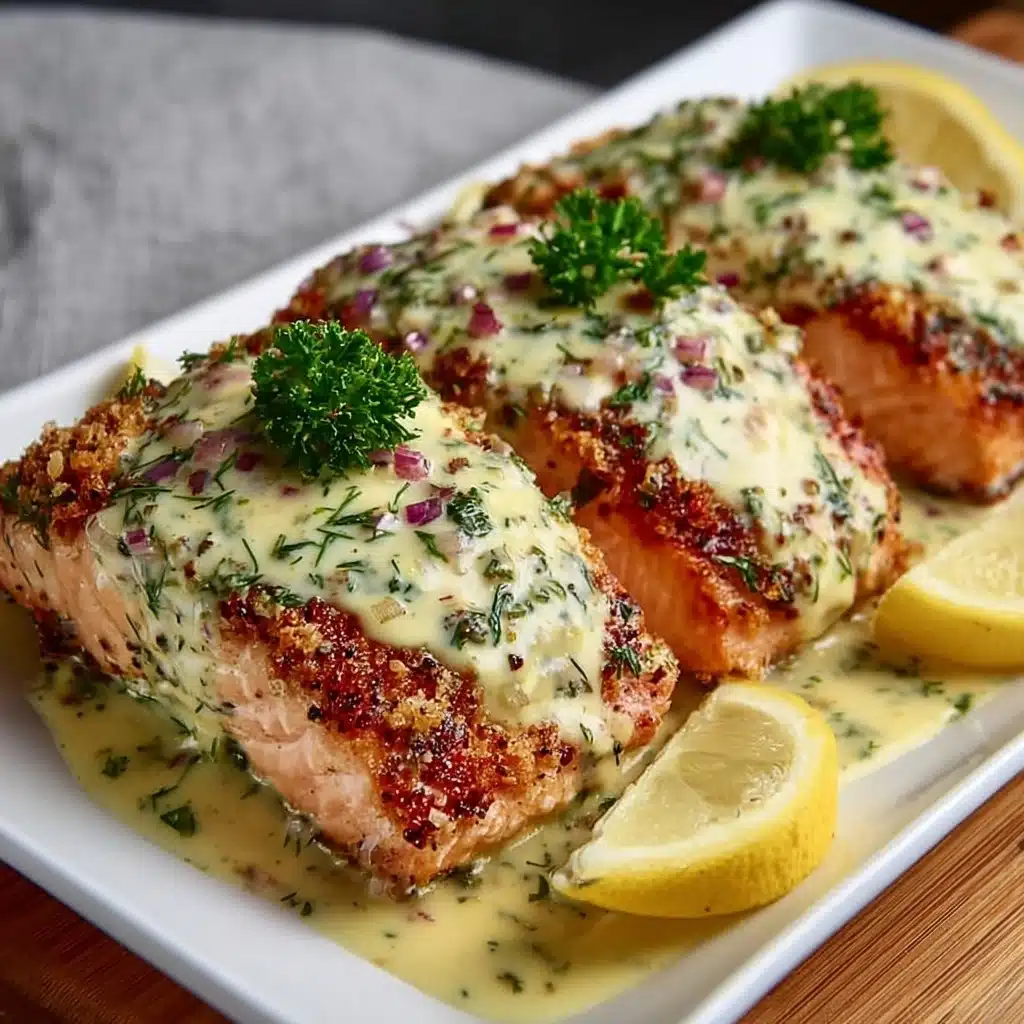
Serve your delightful Dill and Lemon Crusted Salmon warm, garnished with lemon slices and a sprinkle of fresh dill for an added burst of color and flavor. It’s a simple touch that takes this dish to the next level and makes it feel restaurant-worthy at home.
How to Serve Dill and Lemon Crusted Salmon
Garnishes
Fresh lemon slices and extra chopped dill are classic garnishes that complement the crust’s flavors while brightening the presentation. A light drizzle of good-quality olive oil or a few shavings of Parmesan on top adds extra indulgence without masking the core ingredients.
Side Dishes
This salmon pairs beautifully with light, fresh sides such as steamed asparagus, roasted baby potatoes, or a crisp green salad. You can also serve it alongside some fluffy rice or quinoa to soak up any extra lemony juices that might spill over. These accompaniments balance heartiness and freshness perfectly.
Creative Ways to Present
For a dinner party, arrange fillets on a large platter with a bed of mixed greens and lemon wedges scattered around. You can also serve each portion on a slice of toasted baguette or alongside avocado slices for a trendy, flavor-packed twist. The crisp crust and bright tones make this dish as stunning as it is delicious.
Make Ahead and Storage
Storing Leftovers
Leftover Dill and Lemon Crusted Salmon keeps well in an airtight container in the refrigerator for up to 2 days. To preserve the crust’s texture, try to avoid covering the salmon directly with heavy sauces or moisture.
Freezing
While this dish tastes best fresh, you can freeze cooked salmon for up to 1 month. Wrap each fillet tightly in plastic wrap and then foil before placing in a freezer bag. Thaw in the fridge overnight before reheating gently to maintain its delicate flavors.
Reheating
To reheat, place salmon on a baking sheet and warm in a 300°F (150°C) oven for about 10 minutes. This helps keep the crust crisp without drying out the salmon. Avoid microwaving if possible, as it can turn the crust soggy and the salmon rubbery.
FAQs
Can I use dried dill instead of fresh?
While dried dill can work in a pinch, fresh dill really shines in this recipe and provides a brighter, more fragrant flavor that dried simply can’t match. If you must use dried, reduce the amount because it’s more concentrated.
Is Dijon mustard necessary?
Dijon mustard adds a subtle tang and helps the crust ingredients stick to the salmon. If you don’t have it, a mild whole-grain mustard or even a light smear of mayonnaise can be a decent substitute, but the flavor will be less pronounced.
Can I make this recipe without Parmesan cheese?
Absolutely! Parmesan adds a lovely savory note and crunch, but the recipe works wonderfully without it. The panko and dill still create a beautifully crispy and flavorful crust on their own.
What is the best type of salmon to use?
Fresh, wild-caught salmon fillets are ideal due to their firm texture and rich flavor. However, responsibly farmed salmon can also be delicious and widely available. Just aim for skin-on fillets around 6 ounces each for even cooking.
How do I know when the salmon is cooked perfectly?
Salmon is done when it flakes easily with a fork and is opaque throughout. The internal temperature should reach 145°F (63°C). The golden crust and a tender, moist interior are the telltale signs your Dill and Lemon Crusted Salmon is ready to enjoy.
Final Thoughts
There’s something so satisfying about a dish that delivers fresh, vibrant flavors with a delightful crunch, and that’s exactly what Dill and Lemon Crusted Salmon offers. It’s straightforward enough for a weeknight, yet impressive enough for guests. I can’t wait for you to try this recipe and experience how the lemon and dill transform simple salmon into a standout meal. Trust me, once you make it, it’ll become one of your go-to favorites too!
PrintDill and Lemon Crusted Salmon Recipe
This Dill and Lemon Crusted Salmon is a deliciously light and flavorful dish perfect for a quick weeknight dinner or a special occasion. Tender salmon fillets are brushed with a zesty lemon and garlic Dijon mustard mixture, then topped with a crispy crust of panko breadcrumbs, Parmesan, and fresh dill. Baking in the oven until perfectly cooked, this salmon offers a delightful crunch and refreshing citrus aroma. Serve with lemon slices and fresh dill for an elegant touch that pairs well with rice, roasted vegetables, or a fresh salad.
- Prep Time: 10 minutes
- Cook Time: 15 minutes
- Total Time: 25 minutes
- Yield: 4 servings 1x
- Category: Main Course
- Method: Baking
- Cuisine: American
- Diet: Low Fat
Ingredients
Salmon and Seasoning
- 4 salmon fillets (about 6 oz / 170 g each)
- Salt and black pepper, to taste
Crust Mixture
- 2 tbsp olive oil or melted butter
- 2 tbsp Dijon mustard
- 2 cloves garlic, minced
- Zest of 1 lemon
- Juice of ½ lemon
- ¼ cup panko breadcrumbs
- ¼ cup grated Parmesan (optional, but adds great crispiness)
- 2 tbsp fresh dill, finely chopped
To Serve
- Lemon slices
- Extra fresh dill for garnish
Instructions
- Preheat the oven: Preheat your oven to 400°F (200°C) and line a baking sheet with parchment paper to prevent sticking and for easy cleanup.
- Prepare the salmon: Pat the salmon fillets dry with paper towels to help the crust adhere better. Place them evenly spaced on the prepared baking sheet. Lightly season each fillet with salt and black pepper to enhance the flavors.
- Make the crust mixture: In a small bowl, combine the olive oil or melted butter, Dijon mustard, minced garlic, lemon zest, and lemon juice. Whisk together until well blended. Brush this flavorful mixture evenly over the top of each salmon fillet, which will add a tangy, aromatic layer to the crust.
- Add the crust: In another bowl, mix the panko breadcrumbs, grated Parmesan (if using), and chopped fresh dill thoroughly. Generously sprinkle this breadcrumb mixture over each salmon fillet, pressing lightly with your fingers so it sticks firmly to the mustard-coated surface, creating the delicious crust.
- Bake the salmon: Place the baking sheet in the preheated oven and bake the salmon for 12 to 15 minutes. Cooking time may vary slightly depending on your oven and the thickness of the fillets. The salmon should be opaque and flake easily with a fork when done, while the crust turns golden and crisp.
- Serve: Remove the salmon from the oven and let it rest for a minute. Serve the fillets warm, garnished with fresh lemon slices and extra dill for a bright, fresh finish. This dish pairs wonderfully with steamed rice, roasted vegetables, or a crisp green salad.
Notes
- For an extra crispy crust, you can broil the salmon for the last 1–2 minutes but watch carefully to prevent burning.
- If Parmesan is not available or preferred, you can omit it for a dairy-free option, but the crust may be less crunchy.
- Fresh dill can be substituted with dried dill if necessary, though fresh offers the best flavor.
- Make sure the salmon fillets are of even thickness for even cooking.
- This recipe can be modified using gluten-free breadcrumbs to make it gluten-free friendly.
- Leftovers store well in the refrigerator for up to 2 days and can be gently reheated.
Nutrition
- Serving Size: 1 salmon fillet (about 6 oz / 170 g)
- Calories: 350 kcal
- Sugar: 1 g
- Sodium: 280 mg
- Fat: 18 g
- Saturated Fat: 3 g
- Unsaturated Fat: 12 g
- Trans Fat: 0 g
- Carbohydrates: 7 g
- Fiber: 1 g
- Protein: 36 g
- Cholesterol: 85 mg
Keywords: salmon, lemon crusted salmon, dill salmon, baked salmon, seafood recipe, healthy dinner, easy salmon recipe, gluten-free option, quick dinner